2026-03-30
Review
On 20 March 2026, the workshop “Regulating Work in the Platform Economy: Paths, Strategies, and Challenges” took place in Duisburg. The event was organised by the Centre for Cooperation RUB/IGM in collaboration with the Institute for Work, Skills and Training (IAQ) within the framework of the Issue Network “Platforms – Work – Regulation” of the German Institute for Interdisciplinary Social Policy Research (DIFIS).
The workshop focused on current research on the regulation of platform work, particularly in light of the EU Platform Work Directive. Discussions addressed, among other topics, questions of social protection for platform workers, the role of platform companies in social dialogue, and differences between platform segments and national regulatory contexts.
The contributions highlighted that, while the Directive represents an important step towards regulating platform work, significant challenges remain. This was particularly evident in the presentations and discussions with regard to social protection, hybrid forms of employment, and the heterogeneity of platform work.
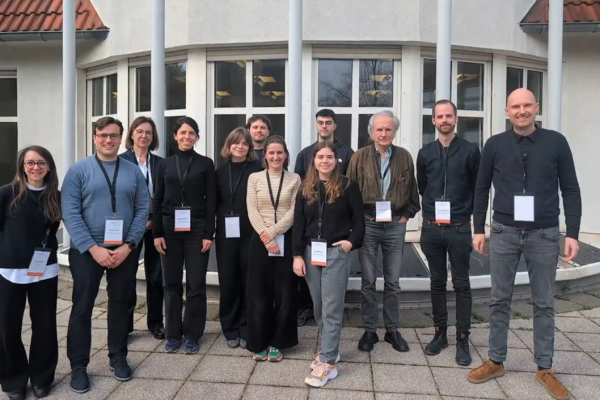
The workshop brought together researchers from different European countries and provided space for an intensive exchange on current developments and open questions in platform work research. We would like to thank all participants for the engaging discussions, as well as DIFIS for supporting and enabling the workshop.
Review
On 20 March 2026, the workshop “Regulating Work in the Platform Economy: Paths, Strategies, and Challenges” took place in Duisburg. The event was organised by the Centre for Cooperation RUB/IGM in collaboration with the Institute for Work, Skills and Training (IAQ) within the framework of the Issue Network “Platforms – Work – Regulation” of the German Institute for Interdisciplinary Social Policy Research (DIFIS).
The workshop focused on current research on the regulation of platform work, particularly in light of the EU Platform Work Directive. Discussions addressed, among other topics, questions of social protection for platform workers, the role of platform companies in social dialogue, and differences between platform segments and national regulatory contexts.
The contributions highlighted that, while the Directive represents an important step towards regulating platform work, significant challenges remain. This was particularly evident in the presentations and discussions with regard to social protection, hybrid forms of employment, and the heterogeneity of platform work.
The workshop brought together researchers from different European countries and provided space for an intensive exchange on current developments and open questions in platform work research. We would like to thank all participants for the engaging discussions, as well as DIFIS for supporting and enabling the workshop.

Copyright © RUB/IGM 2026
Last update: Mar 30, 2026